Lithium Ion (LiFePO4) Batteries

Optimus is a manufacturer of premium, high performance Lithium Phosphate energy storage solutions. We are the partner of choice for flexible, robust, reliable, and innovative solutions, guaranteed to deliver the lowest cost of ownership .Our low voltage powerwall range is suitable for residential applications and compatible with most leading inverters on the market in South Africa, including Deye, Sunsynk and Afore Energy. They are the ideal choice to combat loadshedding – for your Solar installation or backup system. The Optimus high voltage models are designed for commercial use.

At Optimus, we only use premium components in our products. Our Z series low voltage batteries use EVE cells, carry an 8 year warranty and are guaranteed for 6800 cycles. These units are equipped with a touch screen to provide current state of charge information and other useful real-time cell data. They are available in 51.2V with varying capacities and discharge rates. The Z series batteries use an intelligent PACE Battery Management System (BMS).


All Optimus batteries feature a modern design and are suitable for wall mounting. Optimus uses LiFePO4 prismatic cells with low self-discharge, high cycle life and excellent high temperature performance.
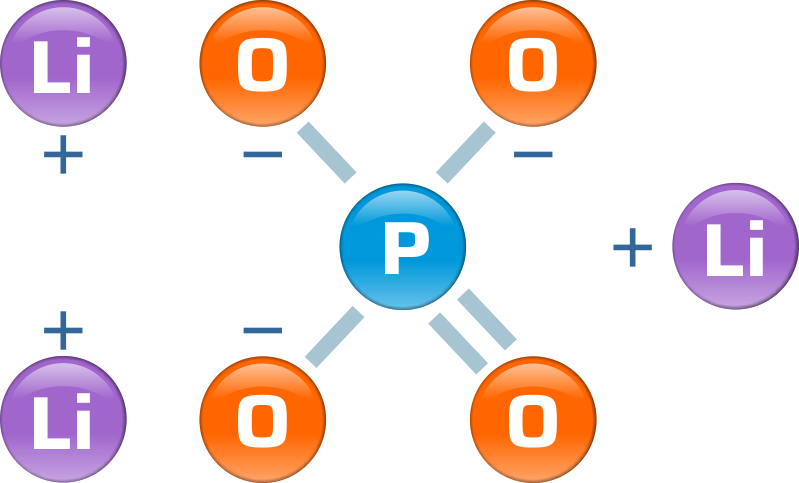

Why LiFeP04 Batteries?

Lithium ion phosphate batteries (LiFePO4 or LFP) offer significant benefits over lead-acid batteries and other lithium types. They have a longer life span, require no maintenance and are extremely safe. They have much better charge/discharge efficiency and are typically lighter than their lead-acid equivalents. LiFePO4 batteries are not the cheapest in the market, but their ultra long life span and zero maintenance makes it a perfect solution for PV and backup systems.
Lithium iron phosphate (LiFePO4), often abbreviated as LiFePO4 or LFP, is a specific type of lithium-ion battery chemistry. It is known for its high energy density, long cycle life, and improved safety characteristics compared to other lithium-ion battery chemistries.

LiFePO4 batteries use lithium iron phosphate as the cathode material and carbon as the anode material. The lithium ions move between these electrodes during the charging and discharging processes. The use of iron phosphate in the cathode provides stability and reduces the risk of thermal runaway or combustion, making LiFePO4 batteries less prone to overheating or catching fire.

Features

Safety

LiFePO4 batteries are considered safer than other lithium-ion chemistries because they have a more stable crystal structure. They are less susceptible to thermal runaway and have a lower risk of thermal events, making them suitable for applications where safety is critical.

Long cycle life:

LiFePO4 batteries can withstand a higher number of charge-discharge cycles compared to other lithium-ion batteries. They typically offer a longer lifespan, making them suitable for applications where durability and longevity are important.

High energy density:

While LiFePO4 batteries have a slightly lower energy density compared to some other lithium-ion chemistries, they still offer a significant amount of energy storage capacity. Their energy density is sufficient for many applications, including electric vehicles, renewable energy storage, and portable devices.

Fast charging:

LiFePO4 batteries can be charged at a higher rate compared to some other lithium-ion chemistries. They have good charge acceptance, allowing them to be

What is a BMS?

BMS stands for Battery Management System. It is an electronic system that monitors and controls the charging, discharging, and overall operation of a rechargeable battery. The primary function of a BMS is to ensure the safe and optimal performance of the battery while maximizing its lifespan.


Here are the main components and functions of a typical BMS:

Cell Monitoring: The BMS monitors the voltage, temperature, and sometimes the current of individual battery cells within a battery pack. It ensures that each cell operates within safe voltage limits and temperature ranges.

State of Charge (SOC) Estimation: The BMS estimates the battery’s state of charge, which indicates the amount of energy stored in the battery at any given time. SOC estimation helps prevent overcharging or over-discharging, which can damage the battery or reduce its capacity.

Balancing: In multi-cell battery packs, the BMS ensures that all cells have similar charge levels. If certain cells have higher or lower voltages than the rest, the BMS can activate cell balancing circuits to redistribute the charge and equalize the cell voltages. Balancing helps maintain optimal performance and capacity across all cells.

Temperature Management: The BMS monitors the temperature of the battery cells and activates cooling or heating mechanisms if necessary. Controlling the temperature prevents overheating, which can degrade the battery’s performance and safety.

Overcurrent and Overvoltage Protection: The BMS includes protection circuits to prevent excessive current flow or voltage levels that could damage the battery or connected devices. It can interrupt the charging or discharging process if unsafe conditions are detected.

Communication and Data Logging: Some BMSs feature communication interfaces, such as CAN (Controller Area Network) or Bluetooth, to communicate with external devices or systems. This allows for real-time monitoring, remote control, and data logging of battery performance parameters.

Fault Diagnosis and Alarms: The BMS monitors the battery for any faults or abnormalities and provides warnings or alarms to alert users or the system operator. This helps identify potential issues early on and take appropriate actions to prevent further damage or safety risks.

BMSs are essential for the safe and efficient operation of rechargeable batteries in various applications, including electric vehicles, energy storage systems, consumer electronics, and renewable energy systems. They play a crucial role in optimizing battery performance, extending battery life, and ensuring user safety.

Inverter communication

Optimus batteries are able to communicate with a range of inverters, including:

Inverter communication with a BMS (Battery Management System) typically refers to the communication interface or protocol used between an inverter and the BMS of a battery system. This communication allows the inverter to receive important information about the battery’s state of charge, voltage, temperature, and other parameters from the BMS.

The communication between the inverter and BMS serves several purposes:

System Control: The inverter receives information from the BMS to make decisions regarding the charging and discharging of the battery. This allows the inverter to optimize its operation based on the battery’s current state and characteristics.

Safety and Protection: The BMS provides critical safety information to the inverter, such as high or low voltage limits, overtemperature conditions, and abnormal battery behavior. By receiving this information, the inverter can take appropriate actions to prevent any potential damage or unsafe operation.

Performance Optimization: The inverter can use the data provided by the BMS to maximize the performance and efficiency of the battery system. This includes adjusting the charge and discharge rates, optimizing the power flow, and adapting the operation to prolong battery life.

The communication between the inverter and BMS can occur through various communication protocols, such as CAN (Controller Area Network), Modbus, or proprietary protocols specific to the manufacturer’s system. These protocols define the structure and format of the data exchanged between the inverter and BMS.

By enabling inverter communication with the BMS, the battery system can operate more efficiently, ensure safety, and extend the overall lifespan of the batteries. It allows for coordinated control and monitoring of the inverter and battery system, optimizing their performance as a unified energy storage solution.

Products

HIGH VOLTAGE

51.2V

Model ZLV51C100D10 – 51.2V 100AH 1C

  • Battery Voltage: 51.2V
  • Battery Capacity: 100Ah
  • Cycle Guarantee: 6800 cycles@0.3c
  • Max continuous current : 100A
  • 1C High performance lithium battery
  • Wall Mounted
  • Excellent high temperature performance
  • PACE BMS with current limiting function
  • CAN Bus and RS485 Communication – Compatible with most inverters
  • Built in protection for over-charge, over-discharge & over-temperature.
  • < 3% self discharge
  • High cycle and service Life
  • High energy density and conversion efficiency
  • Supports Parallel Connections
  • Cell supplier: EVE
  • Cell Type: Prismatic
  • Cell Chemistry: LifeP04
  • Warranty: 5 years product warranty & 10 years cell warranty